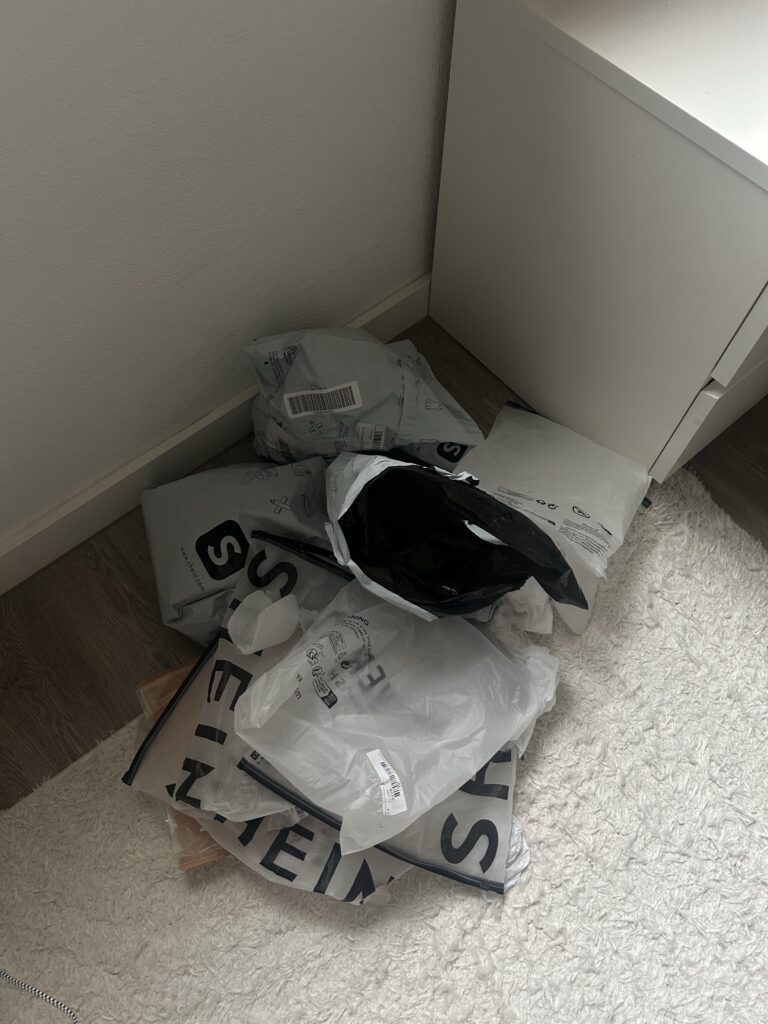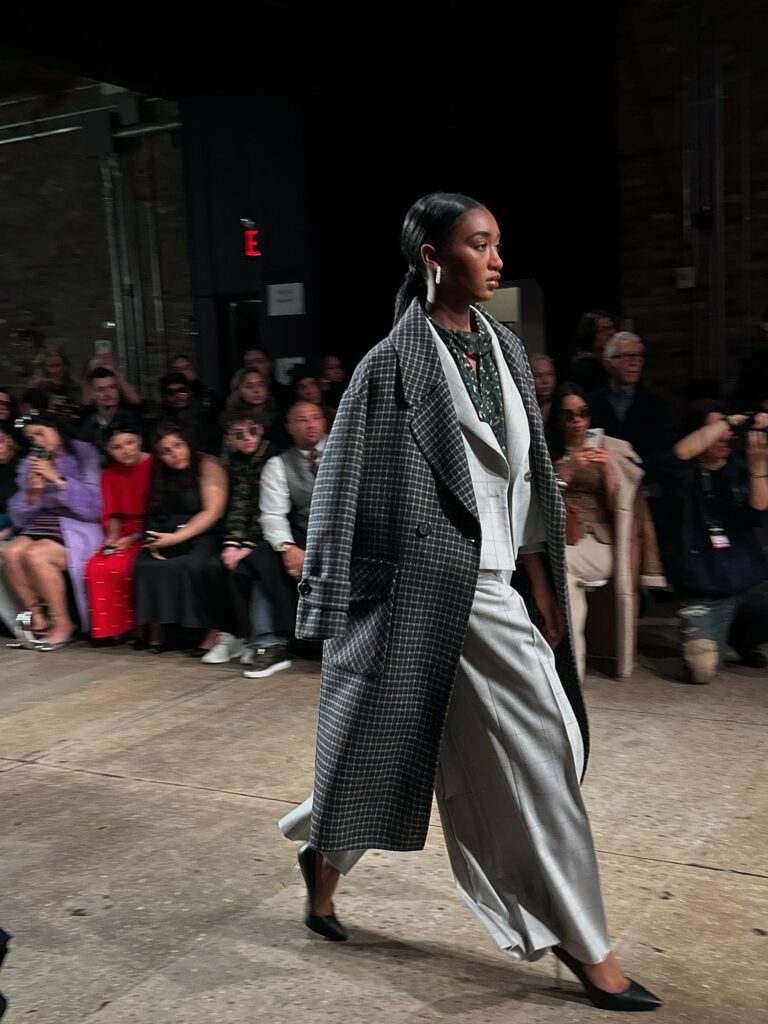

Black Friday used to be a battlefield. Endless scrolling, impulsive clicks, and fast-fashion chaos.
Black Friday once symbolized chaos, a digital stampede of flash sales and impulse buys. But as sustainability seeps deeper into consumer consciousness, the industry’s approach to the year’s biggest shopping day is evolving.
According to McKinsey’s Fashion Outlook 2025, 42% of Gen Z consumers now associate Black Friday with “overproduction and waste.” This generational shift is pressuring brands to rethink not just their pricing, but their purpose. In 2025, meaningful engagement is replacing markdown mania.
THE NEW RETAIL RITUALS
Leading this evolution are brands like Patagonia, which famously shuts down online sales on Black Friday, encouraging repair and reuse through its Worn Wear program. Others, like Veja, run awareness campaigns that highlight transparency in supply chains rather than discounts.
Meanwhile, high-end brands are finding creative middle grounds. Gucci’s Vault reimagines the archive as an interactive shopping experience: limited releases of reworked vintage pieces available for just 48 hours. This is not about urgency, but about storytelling.
Even mainstream names are adapting. Arket and COS have introduced “Slow Friday” concepts, offering extended repair guarantees and customization sessions in flagship stores. Zara, often criticized for its speed, reported a 19% increase in engagement through its resale initiative, Pre-Owned, during November 2024.
The message is clear: discounts don’t build loyalty. Values do.
EXPERIENCES OVER DISCOUNTS
Rather than slashing prices, forward-thinking labels are using this retail moment to strengthen emotional connection. Mara Hoffman turned her Black Friday sale into a storytelling event, sharing the design journey of key pieces and opening her studio doors virtually. Aeyde, the Berlin-based shoe brand, replaced discounts with a Thank You Week, gifting exclusive content, limited editions, and handwritten notes to loyal customers.
According to Shopify’s internal data, brands offering “experience-based promotions” (like repair workshops or personalized styling sessions) saw 32% higher engagement than those offering traditional sales in Q4 2024.
The evolution of Black Friday is no longer about affordability. It’s about alignment. Consumers don’t just want a deal; they want to feel seen by the brands they choose.
CONSCIOUS COMMERCE
Behind this shift lies a deeper sustainability imperative. Every year, the fashion industry produces over 100 billion garments, with 30% going unsold. The Black Friday frenzy often amplifies this waste cycle, creating short-term spikes and long-term landfill.
In contrast, smaller sustainable brands are using the week as a platform to educate. Labels like Bite Studios, Pangaia, and Mii Collection are running transparent campaigns that highlight true production costs and the value of slow fashion.
This isn’t a rejection of commerce. It’s a redefinition of it. As retail analyst Ana Correa puts it, “The brands that win today are those that understand that purpose and profit are not opposites, they are extensions of each other.”
THE FUTURE OF "BLACK FRIDAY"
In 2025, we’re entering what could be called the Post-Discount Era. Black Friday is transforming from an event into a statement; a yearly checkpoint for brands to prove that they can grow responsibly.
As consumer expectations evolve, so must storytelling. The next frontier? Immersive experiences where craft, community, and consciousness converge. The new definition of luxury in the age of less.
Join the Club
Like this story? You’ll love our monthly newsletter.
Thank you for subscribing to the newsletter.
Oops. Something went wrong. Please try again later.
Tags: black friday